
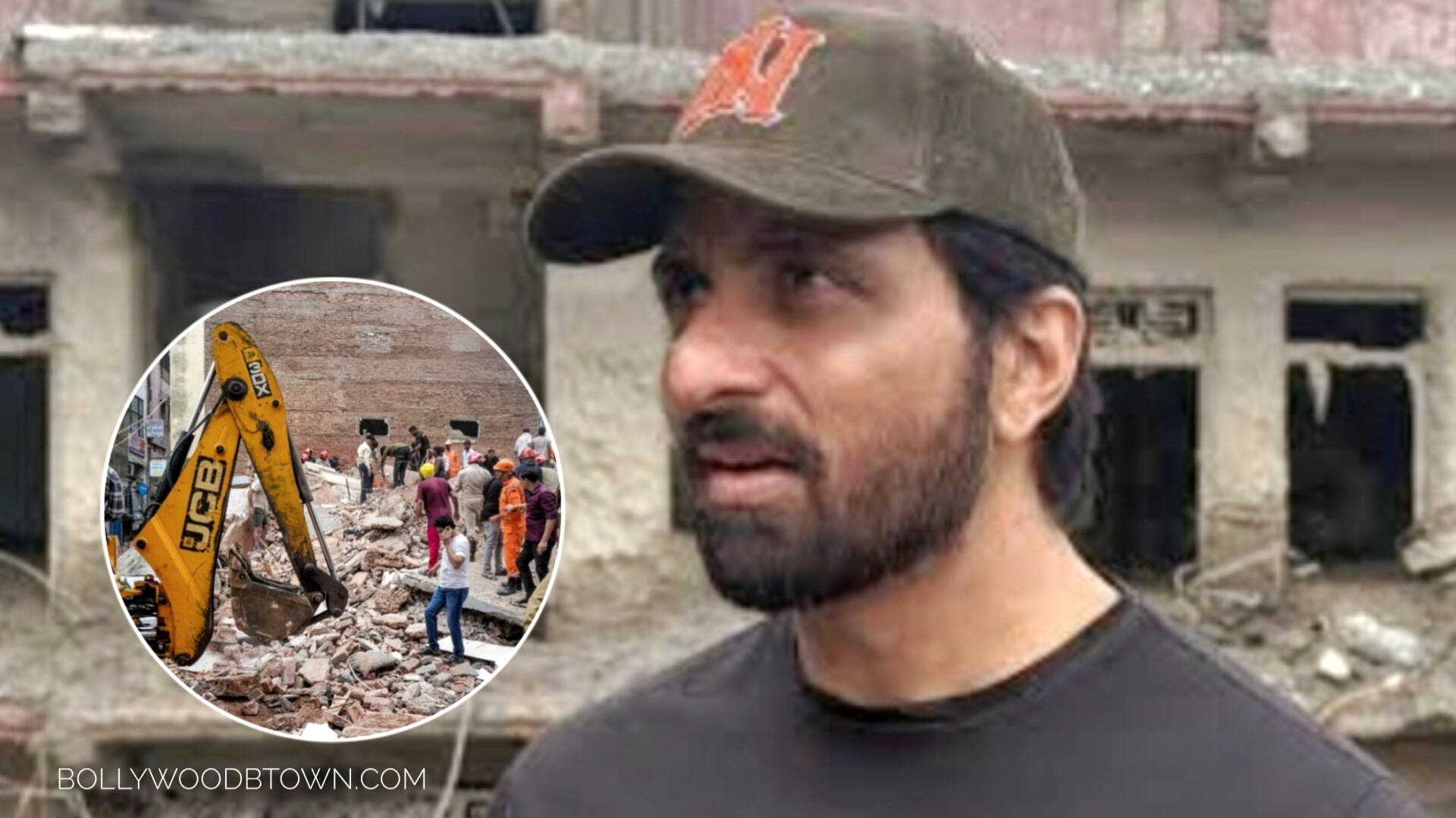
Sonu Sood Calls for Safe Student Housing After Delhi Collapse

Sonu Sood has raised concerns over the shortage of safe and affordable student accommodation in Delhi after a five-storey paying guest building in Satya Niketan collapsed, killing seven people. In a post on X on September 8, the actor suggested using vacant government land around universities to create affordable student hostels and allowing universities to expand on-campus accommodation.
Sood’s comments came as the Satya Niketan tragedy brought renewed attention to the conditions in which students often live when they move to Delhi from other cities for education. The collapse has also triggered scrutiny of building safety and civic enforcement in the area.
What Did Sonu Sood Say About Student Housing?
Sood focused his post on the gap between the number of students coming to Delhi and the availability of hostel accommodation. He said around seven lakh students are enrolled in Delhi, while hostel capacity is barely 30,000.
He suggested identifying vacant government land around universities and using it for safe, affordable student hostels. Sood also proposed giving universities additional building permissions so they can create more accommodation within their campuses.
The actor’s broader argument was that better student housing could address more than just accommodation. In his view, safer hostels could protect students, give parents greater peace of mind and create a sustainable source of revenue for universities and governments.
Why Did Sonu Sood Raise the Issue Now?
The immediate backdrop is the September 6 collapse of a five-storey PG building in Satya Niketan, near Delhi University’s South Campus. The death toll rose to seven after rescue operations continued into Monday. Five of those killed were reported to be Delhi University students.
The tragedy has put the safety of private paying guest facilities under renewed scrutiny. Many students who cannot secure university hostel places depend on rented rooms, PGs and private accommodation in neighbourhoods close to educational institutions.
The Indian Express has reported that Delhi University’s more than 250,000 students have access to only around 9,000 hostel beds, illustrating the wider accommodation gap within the university system itself.
What Is Known About the Satya Niketan Building Collapse?
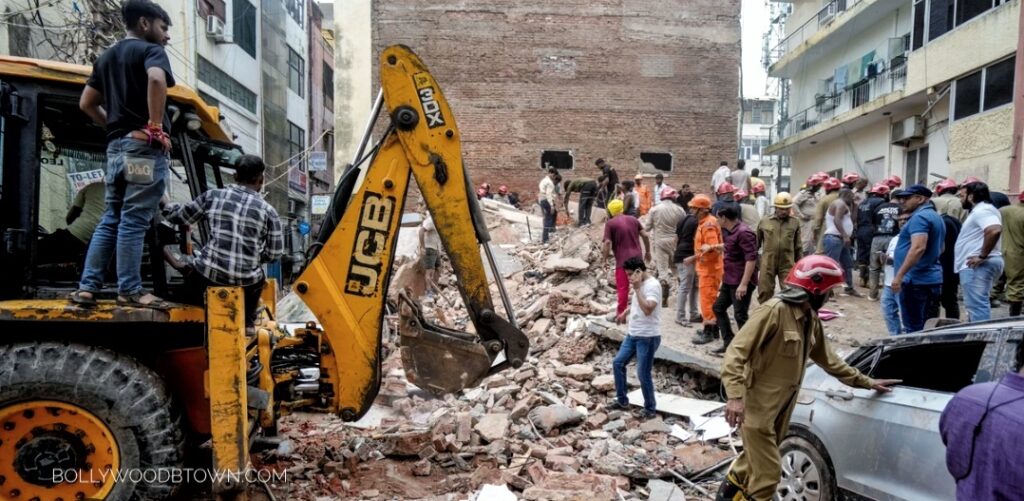
The collapsed property was a five-storey PG accommodation in Satya Niketan. According to an early assessment by the Municipal Corporation of Delhi, the building had no sanctioned building plan, unauthorised basement construction and no Fire NOC.
Authorities have launched investigations into the collapse. Five MCD officials were suspended following the incident, while police arrested members of the property owner’s family as the investigation widened.
These findings are significant because they shift the conversation beyond the availability of student housing to the quality and legality of the accommodation that students are forced to rely on.
The Student Housing Problem Goes Beyond Hostel Numbers
Having more hostel beds does not automatically solve the problem. The accommodation also needs to meet structural, fire and occupancy standards.
Students arriving in Delhi from smaller cities and towns often have to balance rent, location, transport and access to their institutions. When university accommodation is limited, private PGs can become the practical alternative.
The Satya Niketan collapse has highlighted what can happen when demand for such housing grows faster than proper regulation and safety enforcement.
Sonu Sood’s Proposed Solution
Sood’s proposal has two main parts:
- Use vacant government land: Identify suitable government land around universities and develop safe, affordable hostels.
- Expand university accommodation: Give universities additional construction permissions to increase hostel capacity on campus.
The idea is straightforward: if students have more access to institution-linked accommodation, fewer may need to depend on poorly regulated private housing simply because there are not enough hostel places.
However, Sood’s proposal is a policy suggestion, not an announced government programme. There is currently no confirmation that the Delhi government has formally adopted his proposal.
What Has Been Officially Confirmed?
Several developments following the collapse have been confirmed. The death toll reached seven, rescue operations were completed, and MCD suspended five officials in connection with the incident. Authorities have also been examining the condition and legality of other buildings in the area.
The building’s initial MCD assessment also identified serious regulatory issues, including the absence of a sanctioned plan and Fire NOC. These findings are part of the ongoing investigation into what caused the structure to collapse.
What Remains Unconfirmed?
Sood’s figures of around seven lakh students and roughly 30,000 hostel places come from his own social media post. They should therefore be attributed to him rather than presented as a comprehensive government statistic for every student and every form of accommodation in Delhi.
Similarly, the full chain of responsibility for the Satya Niketan collapse remains subject to investigation. Early findings have identified alleged construction and regulatory violations, but the final determination of responsibility will come through the relevant investigations and legal proceedings.
Why Sonu Sood’s Suggestion Matters
The significance of Sood’s intervention is that it connects a tragic building collapse with a longer-running urban problem: where students live when institutional accommodation is unavailable.
A bigger hostel network could potentially reduce pressure on private PG markets, but expansion alone would not be enough. New accommodation would also need proper structural design, fire safety, inspections, maintenance and transparent occupancy rules.
In that sense, the discussion triggered by the Satya Niketan collapse is not simply about building more rooms. It is about creating a student housing system in which affordability and safety are treated as equally important.
Frequently Asked Questions
What did Sonu Sood suggest after the Delhi building collapse?
Sonu Sood suggested identifying vacant government land around universities for safe and affordable student hostels. He also proposed allowing universities to create additional accommodation on their campuses.
Why did Sonu Sood talk about student housing?
His comments came after a five-storey PG building used as student accommodation collapsed in Delhi’s Satya Niketan, killing seven people.
How many students did Sonu Sood say are enrolled in Delhi?
Sood said around seven lakh students are enrolled in Delhi and claimed hostel capacity is only around 30,000. These figures are from his X post and should be understood as figures cited by the actor.
What happened in the Satya Niketan building collapse?
A five-storey PG accommodation in Satya Niketan collapsed on September 6, 2026. Seven people died, including five Delhi University students, according to reports.
Were there safety violations at the collapsed building?
An early MCD assessment found that the property had no sanctioned building plan, unauthorised basement construction and no Fire NOC. The investigation into the collapse is continuing.
Conclusion
Sonu Sood’s call for safe and affordable student hostels comes at a moment when Delhi is confronting difficult questions about both housing shortages and building safety. His proposal to use vacant government land and expand university accommodation is not yet a government policy, but it puts a practical question on the table: how can cities provide students with enough places to live without forcing them to compromise on safety?
For now, the Satya Niketan investigation remains ongoing. But the tragedy has made one issue difficult to ignore—student accommodation is not only a housing problem; when safety standards fail, it can become a matter of life and death.
Sources
-
India Today — Sonu Sood’s comments on the student housing shortage and his proposal for safer accommodation.
Read the full report → -
The Indian Express — Background on Delhi’s student housing shortage and university hostel capacity.
Read the full report → -
Hindustan Times — Details from the MCD assessment of the Satya Niketan building.
Read the full report → -
The Times of India — Investigation, arrests and action against MCD officials following the collapse.
Read the full report → -
Free Press Journal — Report on Sonu Sood’s student housing suggestion.
Read the full report →